Social studies program
A learning model does not succeed because its principles are compelling on paper. It succeeds when you can preserve those principles through every layer of translation, from philosophy to standards, from standards to curriculum, and ultimately from curriculum to what a teacher and student actually do together.
Role: Curriculum Designer, Learning One to One
The context
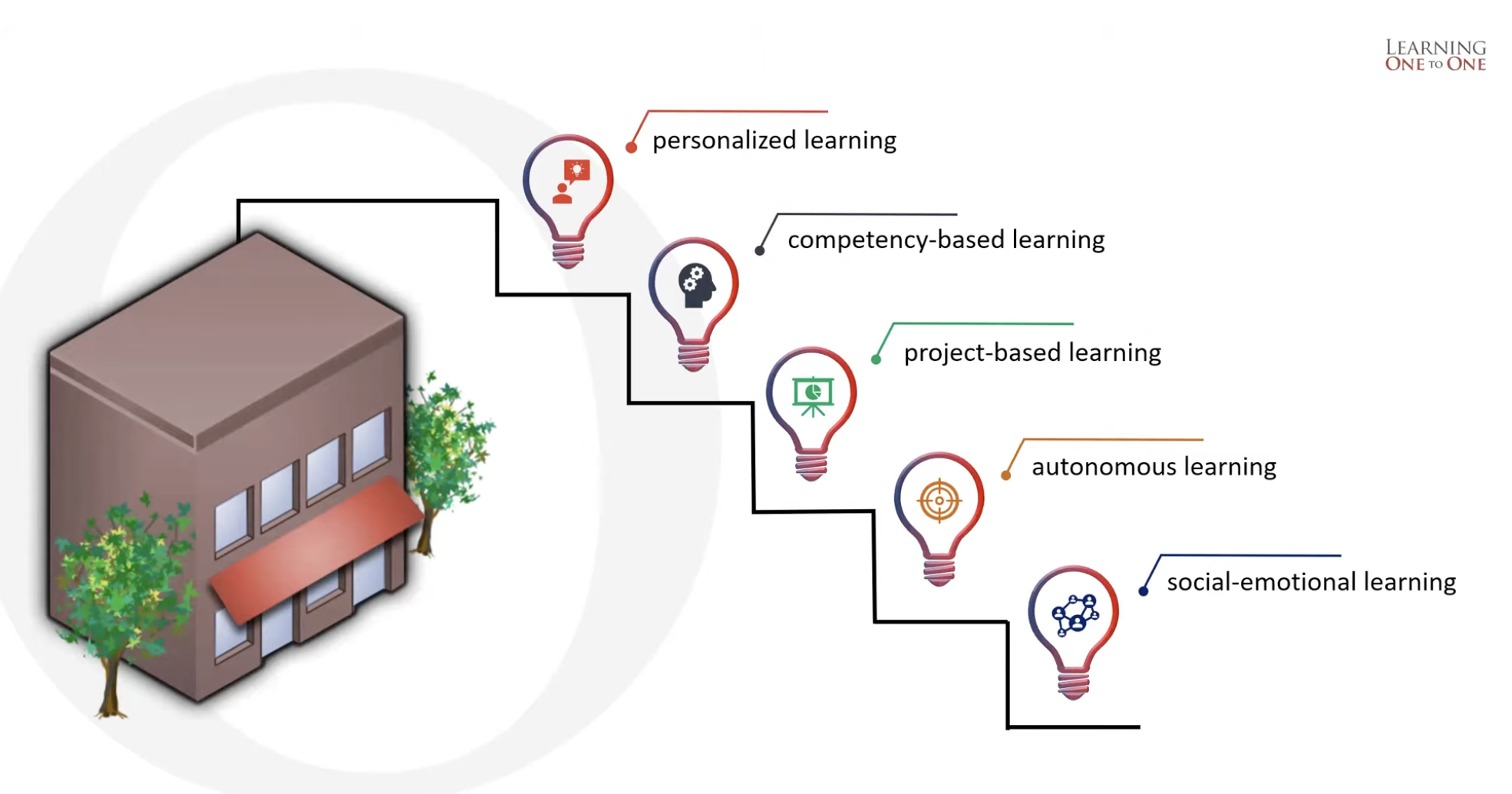
Learning One to One was bringing Fontan Relational Education, a highly personalized, student-directed learning model developed in Colombia, into the United States. It had never been implemented here before.
I was brought in as social studies specialist because of my experience with student-centered and project-based learning. My assignment eventually became enormous: design a complete, four-year high-school social studies program encompassing U.S. History, World History, Civics, Geography, and Economics.
What I did
Learning One to One provided training and documentation on Fontan Relational Education. I wanted to understand more than the documentation could tell me. I spoke with educators responsible for implementing the model. Then, on my own initiative and at my own expense, I traveled to Colombia to visit real, live Fontan schools and see what the model looked like in practice.
Challenges I faced
We could not simply translate existing materials or bolt an unfamiliar educational philosophy onto a conventional American curriculum. We needed to understand what made the model work, preserve those principles, and create curriculum that would function within the requirements of U.S. schools. The design problem became one of translation rather than conversion: meet the expectations of an American school system while preserving the autonomy, personalization, and relational learning at the center of the original model.
The end result
I delivered all units on time or ahead of schedule, and mastered the L1to1 model so well that they asked me to coach other writers.
A number of my units are still featured on the L1to1 website to show teachers how they’re supposed to be done!
Years later, Learning One to One brought me back for a different kind of work. This time, I was not primarily designing curriculum. I was helping schools implement it. I met regularly with teams of teachers around the country, helping them understand Fontan Relational Education, work through implementation problems, and translate the framework into the daily realities of their classrooms. I had started by trying to understand an unfamiliar educational model well enough to write within it. I eventually understood it well enough to help teachers turn it into an actual learning environment.